What Is KMSPico and Why Is It So Widely Used?
KMSPico is commonly described as a software tool that bypasses Microsoft’s official activation system. Instead of requiring a legitimate product key, it simulates a Key Management Service (KMS) environment—the same type used by large companies to activate many devices at once.
By recreating this activation system locally, it allows Windows and Microsoft Office to appear properly licensed without connecting to Microsoft’s servers. This approach removes the need for a paid license or Microsoft account.
Its popularity is largely driven by cost. Official licenses can be expensive, especially for individuals who only need basic features for study, freelance work, or personal use. In regions where software pricing is relatively high, tools like KMSPico are often seen as a convenient alternative.
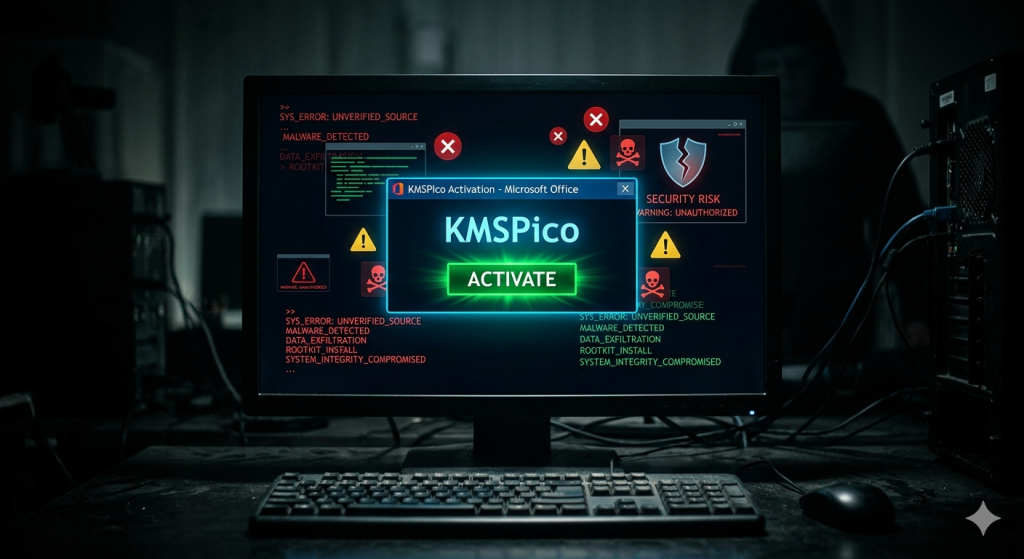
How the Tool Operates
At a basic level, KMSPico works by setting up a virtual activation server on your device. Normally, businesses use Microsoft’s KMS infrastructure to activate multiple systems across their network. This tool mimics that process locally.
When Windows or Office checks for activation, it connects to this simulated server instead of Microsoft’s official one. As a result, the system assumes it has been activated legitimately.
The process runs quietly in the background and typically refreshes activation periodically to maintain the “licensed” status. This is why it has continued to attract users even with newer software versions.
Supported Platforms
KMS-based activation tools are often associated with:
- Windows 7, 8, 8.1, 10, and 11
- Microsoft Office versions ranging from 2010 to more recent releases
Why People Continue Using It
Despite the risks, demand for such tools remains steady. Common reasons include:
- Students needing Office tools for coursework
- Freelancers who occasionally require premium features
- Small organizations with limited budgets
- Tech enthusiasts experimenting with systems or virtual machines
- Users in regions where official licenses are difficult to afford
For many of these users, the appeal lies in accessibility rather than simply avoiding payment.
Legal Status and Security Risks
Using KMSPico is not permitted under Microsoft’s licensing terms. While individuals may not always face immediate consequences, organizations can be penalized if found using unauthorized software.
More concerning, however, is the security risk. Because of its popularity, many versions available online are modified or repackaged with harmful software. These can include:
- File-locking ransomware
- Password-stealing keyloggers
- Remote-access trojans
- Tracking spyware
Even when the tool appears to function correctly, it may interfere with system updates, reduce stability, or expose the device to long-term vulnerabilities. Security software often flags it because its behavior—altering system processes and mimicking servers—resembles malicious activity.
Common Problems Users Encounter
Users frequently report issues after relying on unofficial activation tools, such as:
- Activation resetting after system updates
- Office applications crashing or failing to start
- Reduced system performance
- Antivirus warnings or automatic file removal
- Lack of official support when problems occur
These challenges often lead users to search for fixes or alternatives later on.
Safer and Legal Alternatives
There are several legitimate ways to access Windows and Office features without resorting to risky tools:
- Microsoft 365 Education – Free access for eligible students and educators
- Office Online – Browser-based apps that require no installation
- LibreOffice / OnlyOffice – Free, open-source productivity suites
- Trial versions – Temporary access to full features
- OEM licenses – Lower-cost genuine activation keys from trusted sellers
These options provide reliable functionality without exposing your system to malware or legal concerns.
Should You Use KMSPico Today?
While KMSPico may seem appealing because it is quick and free, the downsides are significant. Security threats, legal issues, and system instability make it a risky choice—especially when safer alternatives are widely available.
If you only need short-term access, trial versions or web-based tools are a better fit. Students and educators should also check eligibility for free programs. For long-term use, legitimate licenses or open-source software offer far greater reliability.
In most cases, choosing a legal option will save time, reduce risk, and provide a smoother experience overall.
Other Similar Tools
KMSPico is not the only tool of its kind. Other names often mentioned include KMSAuto Net and Microsoft Activation Scripts (MAS). While they may differ in features or methods, they generally aim to achieve the same outcome.
However, all such tools carry similar concerns—legal uncertainty, antivirus detection, and potential exposure to hidden malware.
Frequently Asked Questions
Is KMSPico legal?
No, it violates Microsoft’s licensing agreement and is considered unauthorized use.
Does it work on newer systems?
It may appear to activate newer versions of Windows or Office, but results can be inconsistent after updates.
Is it safe to download?
Many versions found online are unsafe and may include malicious software.
Why do antivirus programs flag it?
Because it alters system behavior and mimics activation servers, which resembles malware activity.
What are safer alternatives?
Office Online, LibreOffice, and discounted legitimate licenses are reliable and secure options.
Are low-cost license keys legitimate?
They can be, as long as they are purchased from reputable and verified sellers.